
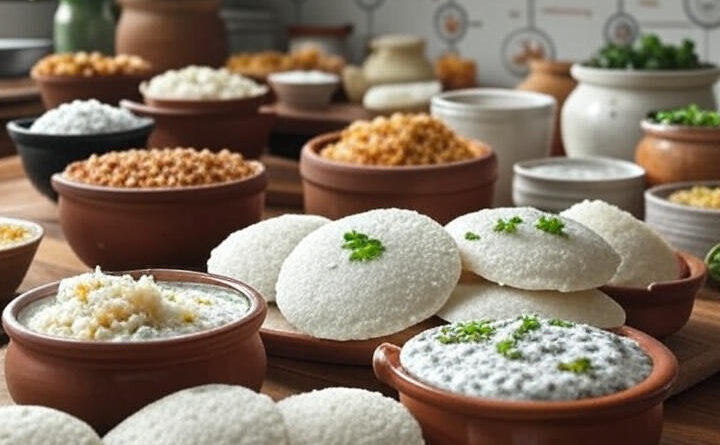
Fermented Foods: Unlocking Personalized Nutrition for India’s Diverse Population


By- Jyoti Rawat
Imagine a plate of steaming idlis, a bowl of creamy dahi, or a tangy serving of kimchi—not just delicious, but packed with microscopic superheroes that could transform your health. Fermented foods, created through the magic of microbial alchemy, are more than culinary delights; they’re a gateway to personalized nutrition, especially for India’s vibrant and diverse population. A groundbreaking study from the Institute of Advanced Study in Science and Technology (IASST) in Guwahati, published in Food Chemistry (2025), reveals how these foods hold the key to tailored health solutions, addressing everything from blood pressure to immunity.
The Power of Fermented Foods
Fermentation is like nature’s kitchen, where microbes like bacteria and yeast transform raw ingredients into nutrient-packed powerhouses. This process creates bioactive peptides—tiny protein fragments (2-20 amino acids long) that act like biological multitaskers. These peptides, found in foods like dahi (yogurt), idli, miso, natto, kimchi, and even fermented fish, can:
-
Lower blood pressure by acting as natural ACE inhibitors.
-
Regulate blood sugar, supporting metabolic health.
-
Boost immunity, helping your body fend off infections.
-
Reduce inflammation, potentially easing chronic conditions.
These benefits arise because bioactive peptides interact with biological molecules through electrostatic forces, hydrogen bonding, and hydrophobic interactions. The result? Antimicrobial, antihypertensive, antioxidant, and immune-modulating effects that can transform how we approach health.
Why Personalization Matters
Here’s the catch: not everyone responds to fermented foods the same way. The IASST study, led by Professor Ashish K. Mukherjee and researchers Dr. Mallojyo Joyraj Bhattacharya, Dr. Asis Bala, and Dr. Mojibur Khan, highlights that factors like genetic variations, gut microbiota composition, dietary habits, and existing health conditions influence how these peptides work in different individuals. For example:
-
Genetic differences in genes like ACE or IL-6 can alter how effectively these peptides lower blood pressure or reduce inflammation.
-
Your gut microbiota—the unique ecosystem of microbes in your digestive system—plays a critical role in how well these peptides are absorbed and utilized.
-
Cultural and regional dietary preferences, like the fermented rice-based dishes of South India or the fish-based ferments of the Northeast, shape the types and amounts of peptides consumed.
This variability underscores the need for precision nutrition—customized dietary recommendations that account for India’s incredible diversity, from the bustling streets of Mumbai to the serene villages of Assam.
The Science Behind the Sizzle
The IASST study dives deep into the science of fermentation, revealing how traditional methods produce these health-boosting peptides. However, challenges remain:
-
Variability in fermentation: Different techniques, microbial strains, and ingredients lead to inconsistent peptide profiles.
-
Peptide stability: These fragile molecules can degrade during digestion, reducing their effectiveness.
-
Microbiota interactions: The gut’s microbial community can either enhance or hinder peptide bioavailability.
To overcome these hurdles, the researchers advocate for omics-based research—high-tech approaches like genomics, proteomics, and metabolomics that analyze vast biological datasets. By decoding the molecular makeup of fermented foods and their interactions with the human body, scientists can design foods tailored to specific populations or even individuals.
A Call to Action for India
India, with its rich tapestry of cultures, cuisines, and genetic diversity, is uniquely positioned to lead the global charge in personalized nutrition. The study calls for:
-
Integrating fermented foods into public health initiatives: From school meals to community health programs, traditional foods like dahi and idli could address widespread issues like hypertension and diabetes.
-
Scaling up research: Investing in omics-based studies to refine fermentation techniques and enhance peptide stability.
-
Empowering rural food systems: By combining traditional knowledge with modern science, India can preserve its culinary heritage while boosting health outcomes.
-
Positioning India as a global leader: With its vast biodiversity and culinary traditions, India could set the standard for personalized nutrition worldwide.
A Taste of the Future
Picture a world where your morning idli or evening lassi is tailored not just to your taste buds but to your DNA and gut microbes. The IASST study is a bold step toward that future, showing how fermented foods can bridge tradition and innovation. As India embraces this science, it could not only improve the health of its 1.4 billion people but also inspire the world to rethink nutrition—one delicious, fermented bite at a time.
For more details, check out the full study in Food Chemistry (2025) and join the conversation about how India’s culinary treasures can shape a healthier tomorrow.