
U.S.-Iran Framework Brings Relief, but Challenges Loom

 https://www.nytimes.com/video/world/middleeast/100000010967290/iran-us-peace-deal.html?smid=url-share
The United States and Iran reached a preliminary deal that was expected to open the Strait of Hormuz. But it defers the toughest issues to further talks.
 By–
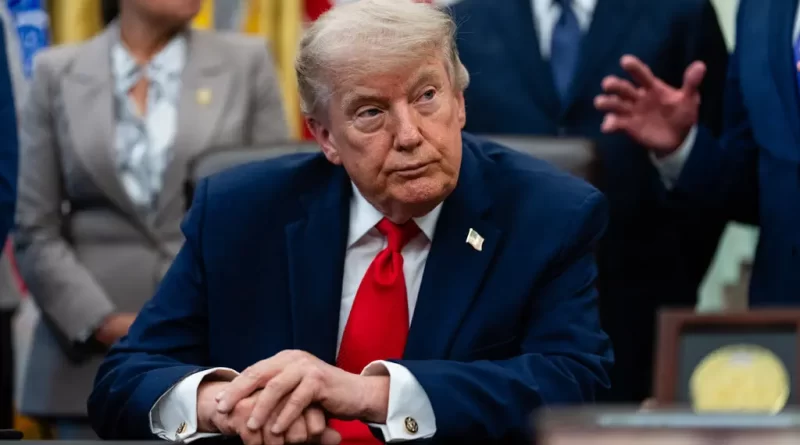
By–World leaders on Monday cautiously welcomed a new cease-fire deal and diplomatic road map to ending the U.S. war with Iran, as oil prices tumbled, fighting in Lebanon appeared to ease and Iranians expressed wary relief that a conflict that has killed thousands could soon end.
Vice President JD Vance described the agreement on Monday as a major step toward peace. But since its start on Feb. 28, the war has not produced the results President Trump vowed to achieve: destroying Iran’s military capabilities, abolishing its nuclear ambitions, toppling its theocratic leadership or liberating its people.
The deal would restart safe passage of oil tankers through Strait of Hormuz, a vital conduit for world’s energy supplies, solving a problem created by the U.S.-Israeli war against Iran. Returning to the prewar status, when the state was open to shipping, could relieve Americans of soaring gas prices, a political liability for Mr. Trump, but not right away. It could also bring respite to Iran’s economy.
Mr. Trump previously said the deal meant the strait would be “permanently toll-free.” But the Iranian foreign ministry’s spokesman, Esmail Baghaei, suggested on Monday that Iran could charge fees “in exchange for the services that are provided” on ships transiting the strait.
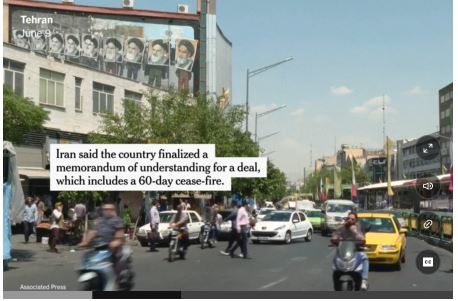
The text of the deal, scheduled to be signed on Friday in Geneva, has not been released. Announced on Sunday by Mr. Trump and Iranian officials, it includes a 60-day cease-fire to allow for negotiations toward a final peace agreement.
The deal could still come apart, and the talks are likely to be complex.
They are expected to grapple with two issues on which neither side has shown much willingness to compromise: easing American economic sanctions against Iran and limiting Tehran’s nuclear program.
In an interview with CNBC, Mr. Vance acknowledged that the Trump administration still had “very important details to figure out” in the next phase of negotiations, including how to dispose of Iran’s stockpile of highly enriched uranium.
It was also unclear what the deal would mean for Lebanon, where the Israeli military has been attacking the Iran-backed militant group, Hezbollah. Iran and Pakistan, a mediator in the negotiations, said the agreement called for an immediate end to military operations on all fronts, including Lebanon.
Israel and Hezbollah appeared to scale back their fighting in southern Lebanon on Monday. In a statement, Hezbollah congratulated Iran for what it described as the “major achievement” of securing a “comprehensive cease-fire on all fronts, including Lebanon.”
Yet Israel’s defense minister, Israel Katz, said in a statement that he and Prime Minister Benjamin Netanyahu opposed withdrawing Israeli troops from Lebanon. Israel was not directly involved in the U.S.-Iran talks.
Here’s what else we’re covering:
-
Trump calls The Times: In a 28-minute phone conversation that he initiated from the White House, and a brief follow-up call, the president asserted that his decision to attack Iran in late February, and the subsequent naval blockade of its ports, had remade the Middle East in America’s favor and saved Israel from nuclear obliteration.The United States and Iran reached an agreement on Sunday that paved the way for further talks to ultimately end a monthslong war that has killed thousands and rattled the global economy. “The Deal with the Islamic Republic of Iran is now complete,” President Trump said in a post on social media. Iran’s Supreme National Security Council said in a statement that the country had finalized a memorandum of understanding with the United States after “months of long and difficult negotiations.”
-
Strait of Hormuz: Mr. Trump said in a social media post on Sunday that he had authorized “the immediate removal of the United States naval blockade” on Iranian ports. Yet the economic shock waves of the war will keep rippling through the global economy for months.
-
Europe meetings: Mr. Trump arrived in to France to attend a summit of the Group of 7 nations, where the deal will be a major topic of discussion this week. As President Trump arrived in France on Monday just hours after taking in a series of cage fights outside the White House, U.S. allies will watch to see whether he approaches the annual Group of 7 summit there as an opportunity for collaboration or yet another brawl.Mr. Trump’s positions on trade, the war in Ukraine and NATO have put him at odds with European leaders for years. But it is the three-month U.S.-Israeli war with Iran that has pushed those allies to see Mr. Trump more as a combative opponent than a reliable partner.