चमोली के एडीएम पहुंचे आपदाग्रस्त चेपडों, हर संभव मदद का दिलाया भरोसा
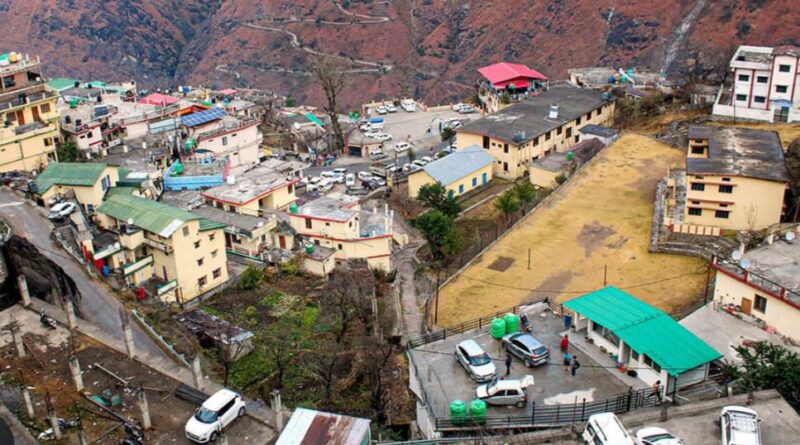
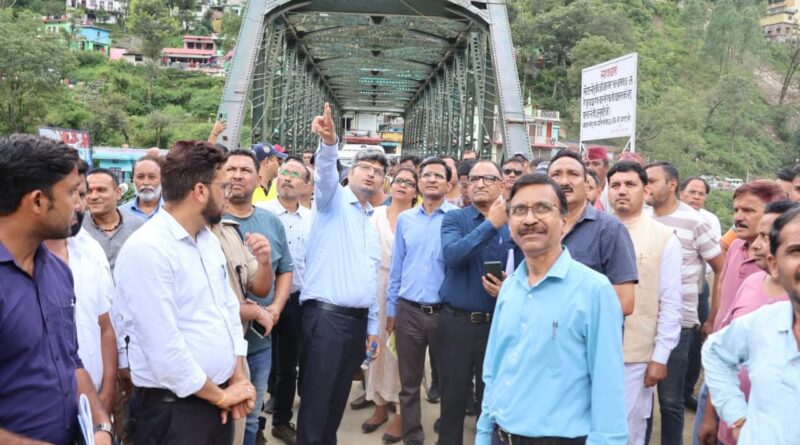
-हरेंद्र बिष्ट की रिपोर्ट- थराली, 25 अगस्त।चमोली जिले के अपर जिलाधिकारी विवेक प्रकाश ने सोमवार को आपदाग्रस्त थराली एवं चेपड़ो
Read More-हरेंद्र बिष्ट की रिपोर्ट- थराली, 25 अगस्त।चमोली जिले के अपर जिलाधिकारी विवेक प्रकाश ने सोमवार को आपदाग्रस्त थराली एवं चेपड़ो
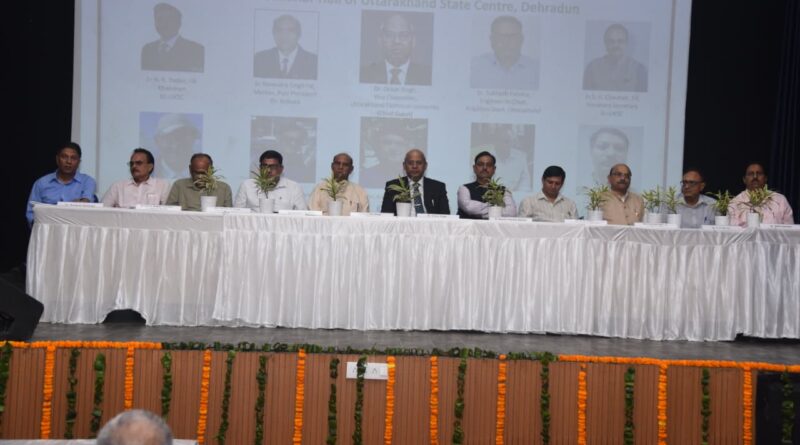
Read Moreतीर्थंकर महावीर यूनिवर्सिटी में कॉलेज ऑफ इंजीनियरिंग के मैकेनिकल इंजीनियरिंग विभाग की ओर से रिसेंट ट्रेंड्स ऑन इन्नोवेशन इन
Read MoreParents have been meddling with their children’s heads, if not their minds, since prehistoric times. To achieve the desired forms
Read Moreउत्तरकाशी 21 अगस्त। यमुना वैली के स्यानाचट्टी में भारी बारिश के बाद खड्ड में आए पानी और मलबे के चलते
Read MoreThe deep sea, still full of mysteries, holds not just the secrets of human origins but also clues to our
Read Moreथराली, 18 अगस्त (हरेंद्र बिष्ट)। थराली के विधायक भुपाल राम टम्टा ने देवाल के नवनिर्वाचित क्षेत्र प्रमुख से ब्लाक के
Read More-हरेंद्र बिष्ट की रिपोर्ट- थराली। कृष्ण जन्माष्टमी के पावन पर्व पर देवाल के नंदाधाम नंदकेसरी में शुक्रवार को एक भव्य
Read MoreIndia reigns supreme as the world’s undisputed champion of milk production, contributing a staggering 24% of the global total. This feat is attributed to India’s massive buffalo population, known for their high milk yields, and a growing dairy industry driven by rising demand. From the verdant meadows of Punjab to the sun-drenched plains of Gujarat, India’s dedication to dairy farming ensures a steady supply of this vital nutrient, solidifying its position as the world’s Milk Capital.

-By- Usha Rawat-
भारत दूध उत्पादन के मामले में दुनिया में सबसे आगे है, जो वैश्विक कुल उत्पादन में 24% का योगदान देता है। इस उपलब्धि का श्रेय भारत की विशाल भैंस आबादी को जाता है, जो अपने उच्च दूध उत्पादन के लिए जानी जाती है, और बढ़ती मांग से प्रेरित डेयरी उद्योग को। पंजाब के हरे-भरे घास के मैदानों से लेकर गुजरात के धूप से सराबोर मैदानों तक, डेयरी फार्मिंग के प्रति भारत का समर्पण इस महत्वपूर्ण पोषक तत्व की निरंतर आपूर्ति सुनिश्चित करता है, जिससे दुनिया की दूध राजधानी के रूप में इसकी स्थिति मजबूत होती है। भारत में डेयरी क्षेत्र का विकास और ‘ऑपरेशन फ्लड’ की शुरुआत के बाद डेयरी सहकारी समितियों द्वारा निभाई गई शानदार भूमिका आजादी के बाद देश के उल्लेखनीय विकास की गाथा का एक अभिन्न हिस्सा है। आज, भारत दुनिया का सबसे बड़ा दुग्ध उत्पादक है, जिसका वैश्विक दुग्ध उत्पादन में योगदान 23 प्रतिशत है।
1950 और 1960 के दशक के दौरान स्थिति वास्तव में बहुत अलग थी। भारत एक दूध की कमी वाला देश था जिसके लिए वह आयात पर निर्भर था और इसकी वार्षिक उत्पादन दर कई वर्षों तक नकारात्मक ही रही। आजादी के बाद के पहले दशक में, दुग्ध उत्पादन की वार्षिक वृद्धि दर 1.64% थी, जो 1960 के दशक में घटकर 1.15% हो गई। 1950-51 में, देश में प्रतिदिन प्रति व्यक्ति दूध की खपत मात्र 124 ग्राम थी। 1970 तक, यह आंकड़ा और कम होकर प्रतिदिन 107 ग्राम रह गया था, जो दुनिया में सबसे कम खपत में से एक था और न्यूनतम पोषण मानकों से बहुत कम था। भारत का डेयरी उद्योग अपने अस्तित्व के लिए संघर्ष कर रहा था। दुनिया में सबसे बड़ी मवेशी आबादी होने के बावजूद देश में प्रति वर्ष 21 मिलियन टन से भी कम दूध का उत्पादन होता था।
1964 में स्वर्गीय प्रधानमंत्री श्री लाल बहादुर शास्त्री ने गुजरात के आणंद जिले की यात्रा की थी, जिसके बाद 1965 में ऑपरेशन फ्लड (ओएफ) कार्यक्रम के माध्यम से पूरे देश में डेयरी सहकारी समितियों के ‘आणंद पैटर्न’ का समर्थन करने के लिए राष्ट्रीय डेयरी विकास बोर्ड (एनडीडीबी) की स्थापना की गई, जिसे विभिन्न चरणों में लागू किया जाना था।
‘आणंद पैटर्न’ वास्तव में एक सहकारी संरचना थी, जिसमें ग्रामीण-स्तर की डेयरी सहकारी समितियां (डीसीएस) शामिल थीं, जो जिला-स्तरीय यूनियनों को बढ़ावा देती थी और जिसके बदले में वह राज्य-स्तरीय विपणन संघों को बढ़ावा देती थी। 1970 में एनडीडीबी ने पूरे देश में ऑपरेशन फ्लड कार्यक्रम के माध्यम से ‘आणंद पैटर्न’ वाली सहकारी समितियों की शुरुआत की।
डॉ. वर्गीज कुरियन, जिन्हें भारत में “श्वेत क्रांति के जनक” के रूप में जाना जाता है, एनडीडीबी के पहले अध्यक्ष थे। अपनी टीम के साथ, डॉ. कुरियन ने परियोजना की शुरुआत करने की दिशा में काम किया, जिसमें पूरे देश के दुग्ध शेडों में आणंद-पैटर्न सहकारी समितियों के संगठन की परिकल्पना की गई, जहां से सहकारी समितियों द्वारा उत्पादित और खरीदे गए तरल दूध को शहरों तक पहुंचाना था।
ऑपरेशन फ्लड निम्नलिखित चरणों में लागू किया गया:
1. चरण I (1970-1980) को विश्व खाद्य कार्यक्रम के माध्यम से यूरोपीय संघ (उस समय यूरोपीय आर्थिक समुदाय) ने दान किए गए स्किम्ड दूध पाउडर और बटर ऑयल की बिक्री से वित्तपोषित किया था।
2. चरण II (1981-1985) में दुग्ध शेडों की संख्या को 18 से बढ़ाकर 136 की गई; शहरी बाजारों में दूध का आउटलेट बढ़ाकर 290 तक किया गया। 1985 के अंत तक, 42,50,000 लाख दूध उत्पादकों के साथ-साथ 43,000 ग्राम सहकारी समितियों की एक आत्मनिर्भर प्रणाली को कवर किया गया।
3. चरण III (1985-1996) में डेयरी सहकारी समितियों को बड़ी मात्रा में दूध की खरीद और विपणन करने के लिए आवश्यक अवसंरचनाओं का विस्तार और सुदृढ़ करने में सक्षम बनाया गया। इस चरण में 30,000 नई डेयरी सहकारी समितियों को शामिल किया गया, जिससे इनकी संख्या कुल मिलाकर 73,000 हो गई।
ऑपरेशन फ्लड ने राष्ट्रीय दुग्ध ग्रिड के माध्यम से 700 कस्बों और शहरों में उपभोक्ताओं तक गुणवत्तापूर्ण दूध पहुंचने में मदद की। इस कार्यक्रम ने बिचौलियों को समाप्त करने में भी मदद की, जिससे मौसम के अनुसार दूध के मूल्यों की भिन्नताओं में कमी लायी जा सकी। सहकारी संरचना ने दूध और दुग्ध उत्पादों का उत्पादन व वितरण करने की पूरी प्रक्रिया को किसानों के लिए आर्थिक रूप से व्यवहार्य बना दिया। इसने आयातित मिल्क सॉलिड्स पर भारत की निर्भरता को भी समाप्त कर दिया। इसने देश की न केवल स्थानीय डेयरी आवश्यकताओं को पूरा करने में सक्षम बनाया, बल्कि इसने विदेशों में भी दुग्ध पाउडर निर्यात करना शुरू कर दिया। क्रॉस-ब्रीडिंग के माध्यम से दुधारू मवेशियों के आनुवंशिक सुधार में भी बढ़ोत्तरी हुई। जैसे-जैसे डेयरी उद्योग का आधुनिकीकरण और विस्तार हुआ, लगभग 10 मिलियन किसानों ने डेयरी फार्मिंग के माध्यम से अपनी आय अर्जित करनी शुरू कर दी।
1950-51 में दुग्ध उत्पादन मात्र 17 मिलियन टन (एमटी) था। 1968-69 में, ऑपरेशन फ्लड की शुरुआत से पहले, दुग्ध उत्पादन केवल 21.2 मिलियन टन था जो 1979-80 में बढ़कर 30.4 मिलियन टन और 1989-90 में 51.4 मिलियन टन हो गया। अब यह बढ़कर 2020-21 में 210 मिलियन टन हो चुका है। आज पूरी दुनिया के दूध उत्पादन में 2 प्रतिशत की दर से बढ़ोत्तरी हो रही है, जबकि भारत में इसकी वृद्धि दर 6 प्रतिशत से ज्यादा है। भारत में दूध की प्रति व्यक्ति उपलब्धता भी वैश्विक औसत से बहुत ज्यादा है। पिछले तीन दशकों (1980, 1990 और 2000 के दशक) में, भारत में दैनिक दूध की खपत, 1970 में प्रति व्यक्ति 107 ग्राम के निचले स्तर से बढ़कर 2020-21 में 427 ग्राम प्रति व्यक्ति हो चुकी है, जबकि 2021 में इसका वैश्विक औसत प्रतिदिन 322 ग्राम रहा है।

ऑपरेशन फ्लड के बाद, भारत में डेयरी और पशुपालन क्षेत्र बड़ी तेजी से ग्रामीण परिवारों के लिए आय का प्राथमिक स्रोत बनकर सामने आया है, जिसमें से अधिकांश या तो भूमिहीन, छोटे या सीमांत किसान रहे हैं। आज, भारत को लगभग ढाई दशकों से दुनिया के सबसे बड़े दूध उत्पादक देश होने का गौरवपूर्ण स्थान प्राप्त है।
डेयरी क्षेत्र विभिन्न मामलों में भारत के लिए बहुत महत्वपूर्ण है। एक उद्योग के रूप में, यह 80 मिलियन से ज्यादा ग्रामीण परिवारों को रोजगार देता है, जिनमें से अधिकांश छोटे और सीमांत किसान होने के साथ-साथ भूमिहीन भी हैं। सहकारी समितियों ने न केवल किसानों को आत्मनिर्भर बनाया है, बल्कि लिंग, जाति, धर्म और समुदाय के बंधनों को भी मिटाया है। महिलाएं देश के डेयरी क्षेत्र के प्रमुख उत्पादक कार्यबल हैं। यह क्षेत्र विशेष रूप से महिलाओं के लिए एक महत्वपूर्ण रोजगार प्रदाता है और महिला सशक्तिकरण में अग्रणी भूमिका निभाता है।
संयुक्त राष्ट्र के खाद्य और कृषि संगठन (एफएओ) द्वारा 2001 से प्रत्येक वर्ष 01 जून को विश्व दुग्ध दिवस मनाया जाता है, जिससे वैश्विक खाद्य के रूप में दूध के महत्व को स्वीकार किया जा सके और डेयरी क्षेत्र की उपलब्धियों का उत्सव मनाया जा सके। भारत में डॉ. वर्गीज कुरियन के जन्मदिवस 26 नवंबर को राष्ट्रीय दुग्ध दिवस के रूप में मनाया जाता है।
सरकार द्वारा किए जा रहे उपायों की एक विस्तृत श्रृंखला के साथ-साथ डेयरी क्षेत्र के विकास में निजी क्षेत्र की बढ़ती भूमिका से आगामी दशकों में संभावना है कि भारत दूध उत्पादन और दुग्ध प्रसंस्करण में अपनी वृद्धि को जारी रखेगा। इसके अलावा, किसानों को वैज्ञानिक रूप से दुधारू मवेशियों के स्वदेशी नस्लों की उत्पादकता बढ़ाने के लिए प्रोत्साहित करने और सहकारी एवं दुग्ध उत्पादक कंपनियों को प्रेरित करने के लिए, भारत सरकार राष्ट्रीय दुग्ध दिवस के अवसर पर प्रतिष्ठित राष्ट्रीय गोपाल रत्न पुरस्कार प्रदान कर रही है। राष्ट्रीय गोपाल रत्न पुरस्कार-2022 के विजेताओं के बारे में जानकारी प्राप्त करने के लिए यहां क्लिक करें।
भारतीय ग्रामीण अर्थव्यवस्था के विकास में डेयरी क्षेत्र का बहुत बड़ा योगदान रहा है। सरकार ने अपनी पहलों के माध्यम से डेयरी फार्मिंग अवसंरचना को आगे बढ़ाया है जैसे कि राष्ट्रीय डेयरी योजना का विकास, इस क्षेत्र के लिए एक दीर्घकालिक विकास-केंद्रित रुपरेखा और जन धन योजना और स्टार्ट-अप इंडिया जैसी सामान्य सशक्तिकरण योजनाएं आदि। पिछले आठ वर्षों में, पशुपालन और डेयरी क्षेत्र को प्रधानमंत्री श्री नरेन्द्र मोदी के ‘आत्मनिर्भर भारत’ के अंतर्गत बहुत प्रोत्साहन मिला है और इस क्षेत्र की यात्रा वास्तव में आत्मनिर्भरता का एक उल्लेखनीय झलक प्रस्तुत करती है।
Below are the top Milk Producing States of The World as of 2024.
| Rank | Country | Milk production in tonnes |
| 1 | India | 208,984,430 |
| 2 | United States | 102,654,616 |
| 3 | Pakistan | 65,785,000 |
| 4 | China | 41,245,664 |
| 5 | Brazil | 36,663,708 |
| 6 | Germany | 33,188,890 |
| 7 | Russia | 32,333,278 |
| 8 | France | 25,834,800 |
| 9 | Turkey | 23,200,306 |
| 10 | New Zealand | 21,886,376 |
| 11 | United Kingdom | 15,221,000 |
| 12 | Poland | 14,890,270 |
| 13 | Netherlands | 14,607,880 |
| 14 | Italy | 13,997,970 |
| 15 | Mexico | 13,074,771 |
| 16 | Argentina | 11,553,306 |
| 17 | Uzbekistan | 11,242,745 |
| 18 | Canada | 9,466,272 |
| 19 | Ireland | 9,039,990 |
| 20 | Australia | 8,858,135 |
| 21 | Ukraine | 8,713,900 |
| 22 | Spain | 8,702,590 |
| 23 | Iran | 7,852,424 |
| 24 | Belarus | 7,846,884 |
| 25 | Japan | 7,592,061 |
| 26 | Colombia | 6,789,000 |
| 27 | Kazakhstan | 6,247,200 |
| 28 | Denmark | 6,029,352 |
| 29 | Egypt | 5,371,835 |
| 30 | Sudan | 4,633,581 |
| 31 | Belgium | 4,477,270 |
| 32 | Ethiopia | 4,307,794 |
| 33 | Romania | 4,299,700 |
| 34 | Austria | 3,867,490 |
| 35 | Switzerland | 3,840,200 |
| 36 | South Africa | 3,837,000 |
| 37 | South Sudan | 3,660,448 |
| 38 | Bangladesh | 3,578,283 |
| 39 | Tanzania | 3,331,067 |
| 40 | Algeria | 3,263,600 |
| 41 | Czech Republic | 3,092,702 |
| 42 | Saudi Arabia | 2,916,104 |
| 43 | Sweden | 2,782,220 |
| 44 | Mozambique | 2,762,660 |
| 45 | Nepal | 2,637,879 |
| 46 | Morocco | 2,593,401 |
| 47 | Venezuela | 2,444,177 |
| 48 | Finland | 2,406,520 |
| 49 | Chile | 2,276,569 |
| 50 | Azerbaijan | 2,223,426 |
| 51 | Peru | 2,208,732 |
| 52 | Uruguay | 2,182,000 |
| 53 | Somalia | 2,180,314 |
| 54 | Myanmar | 2,152,350 |
| 55 | Afghanistan | 2,143,004 |
| 56 | Portugal | 2,100,190 |
| 57 | Hungary | 2,085,000 |
| 58 | Syria | 2,050,599 |
| 59 | South Korea | 2,045,147 |
| 60 | Greece | 2,027,730 |
| 61 | Turkmenistan | 1,959,191 |
| 62 | Ecuador | 1,873,349 |
| 63 | Kyrgyzstan | 1,699,548 |
| 64 | Uganda | 1,671,599 |
| 65 | Norway | 1,595,178 |
| 66 | Indonesia | 1,592,559 |
| 67 | Israel | 1,572,321 |
| 68 | Serbia | 1,518,789 |
| 69 | Lithuania | 1,476,890 |
| 70 | Tunisia | 1,442,064 |
| 71 | Nicaragua | 1,342,997 |
| 72 | Niger | 1,270,610 |
| 73 | Costa Rica | 1,217,184 |
| 74 | Thailand | 1,200,000 |
| 75 | Tajikistan | 1,098,140 |
| 76 | Vietnam | 1,097,422 |
| 77 | Mali | 1,037,509 |
| 78 | Albania | 1,013,033 |
| 79 | Latvia | 992,220 |
| 80 | Bulgaria | 953,070 |
| 81 | Slovakia | 914,410 |
| 82 | Dominican Republic | 861,565 |
| 83 | Estonia | 839,400 |
| 84 | Mongolia | 789,454 |
| 85 | Honduras | 697,351 |
| 86 | Armenia | 673,300 |
| 87 | Slovenia | 642,940 |
| 88 | Bolivia | 604,069 |
| 89 | Georgia | 588,000 |
| 90 | Croatia | 570,000 |
| 91 | Bosnia and Herzegovina | 545,928 |
| 92 | Paraguay | 536,808 |
| 93 | Nigeria | 531,587 |
| 94 | Sri Lanka | 530,261 |
| 95 | Guatemala | 519,144 |
| 96 | Madagascar | 488,165 |
| 97 | Taiwan | 461,510 |
| 98 | Luxembourg | 446,670 |
| 99 | Burkina Faso | 445,670 |
| 100 | Chad | 445,431 |
| 101 | Zimbabwe | 417,568 |
| 102 | Jordan | 417,483 |
| 103 | El Salvador | 394,195 |
| 104 | Zambia | 386,601 |
| 105 | Lebanon | 384,639 |
| 106 | Cuba | 384,299 |
| 107 | Cyprus | 382,700 |
| 108 | Macedonia | 377,872 |
| 109 | Mauritania | 362,099 |
| 110 | Oman | 358,415 |
| 111 | Yemen | 347,284 |
| 112 | Iraq | 339,197 |
| 113 | Botswana | 292,333 |
| 114 | Guinea | 278,536 |
| 115 | Republic of Moldova | 264,900 |
| 116 | Rwanda | 264,022 |
| 117 | Cameroon | 257,644 |
| 118 | Senegal | 248,869 |
| 119 | Puerto Rico | 239,059 |
| 120 | United Arab Emirates | 238,727 |
| 121 | Angola | 221,470 |
| 122 | Libya | 220,128 |
| 123 | Malawi | 217,631 |
| 124 | Jamaica | 206,062 |
| 125 | Panama | 181,523 |
| 126 | Sierra Leone | 175,525 |
| 127 | Lesotho | 174,444 |
| 128 | Montenegro | 173,409 |
| 129 | Iceland | 153,294 |
| 130 | Eritrea | 147,431 |
| 131 | Palestinian Territory | 142,188 |
| 132 | Benin | 120,650 |
| 133 | Burundi | 117,638 |
| 134 | Namibia | 111,968 |
| 135 | Haiti | 105,601 |
| 136 | North Korea | 84,507 |
| 137 | Central African Republic | 82,192 |
| 138 | Gambia | 75,379 |
| 139 | Kuwait | 74,365 |
| 140 | Guyana | 55,000 |
| 141 | Bhutan | 54,654 |
| 142 | Malaysia | 49,365 |
| 143 | Qatar | 48,373 |
| 144 | Ghana | 45,850 |
| 145 | Malta | 42,320 |
| 146 | Guinea-Bissau | 41,128 |
| 147 | Swaziland | 39,935 |
| 148 | Côte d’Ivoire | 31,846 |
| 149 | Réunion | 26,146 |
| 150 | Cambodia | 23,615 |
| 151 | Philippines | 16,080 |
| 152 | Djibouti | 14,978 |
| 153 | Gabon | 13,978 |
| 154 | Comoros | 13,470 |
| 155 | Togo | 11,546 |
| 156 | Fiji | 11,399 |
| 157 | Bahrain | 10,484 |
| 158 | Liberia | 9,400 |
| 159 | Cape Verde | 9,154 |
| 160 | Democratic Republic of the Congo | 8,913 |
| 161 | Belize | 7,528 |
| 162 | Laos | 7,300 |
| 163 | Dominica | 7,120 |
| 164 | East Timor | 6,827 |
| 165 | Barbados | 4,341 |
| 166 | Republic of the Congo | 4,052 |
| 167 | Solomon Islands | 3,132 |
| 168 | Antigua and Barbuda | 3,043 |
| 169 | Bahamas | 2,821 |
| 170 | Suriname | 2,501 |
| 171 | Vanuatu | 2,348 |
| 172 | Samoa | 1,713 |
| 173 | Trinidad and Tobago | 1,708 |
| 174 | Mauritius | 1,320 |
| 175 | Saint Lucia | 1,032 |
| 176 | Saint Vincent and the Grenadines | 913 |
| 177 | French Polynesia | 844 |
| 178 | Sao Tome and Principe | 568 |
| 179 | Grenada | 562 |
| 180 | New Caledonia | 486 |
| 181 | Tonga | 324 |
| 182 | French Guiana | 293 |
| 183 | Papua New Guinea | 203 |
| 184 | Brunei | 183 |
| 185 | Guadeloupe | 160 |
| 186 | Seychelles | 83 |
| 187 | Hong Kong | 60 |
| 188 | Niue | 58 |
The North East region of India comprises eight states – Assam, Arunachal Pradesh, Manipur, Meghalaya, Mizoram, Nagaland, Sikkim and Tripura – each with its own distinct history and identity. The region shares its borders with Bhutan, China, Myanmar and Bangladesh and has been one of the most sensitive regions in India. Since 1947, the history of this region has been marred with insurgency and under development.
The Central government under the leadership of Prime Minister Narendra Modi has been making continuous efforts to end insurgency and violence in the region. Several efforts have been made for the overall development of the region.
The Central government has identified three core objectives for the North East Region:
In this regard, various border dispute settlement agreements and peace accords have been signed with relevant stakeholders. Further, with the help of the armed forces, satellite camps of insurgent groups operating from foreign soil have also been neutralized at scale.
Long pending disputes between various states in the Northeast had been a major concern in the development of the region. Many decades-long disputes are finally getting permanently resolved through the proactive efforts of the Central government. This has given a push to integration and trust and has paved the way forward for long-term peace and progress.
During the 1960s, the Bodos and other tribes of Assam called for separate state of Udayachal. In late 1980s, there was another demand for a separate state for Bodos – Bodoland, and for Assam to be divided “50-50”. As a result of these continuous demands, there had been widespread incidents of violence over the years. To resolve the five-decade old Bodo issue in Assam, the Bodo Accord was signed on January 27, 2020 resulting in the surrender of 1615 cadres with a huge cache of arms and ammunition at Guwahati.
Due to ethnic violence in the western part of Mizoram in October 1997, a large number of minorities Bru (Reang) families migrated to North Tripura in 1997-1998. A landmark agreement was signed on January 16, 2020, to resolve the 23-year-old Bru-Reang refugee crisis by which more than 37,000 internally displaced people are being settled in Tripura.
The National Liberation Front of Tripura (NLFT) formed in 1989 has been involved in violence, operating from their camps across international borders. After several years of negotiations with the Government of India and the Government of Assam, an agreement was signed with National Liberation Front of Tripura (SD) in August 2019 resulting in the surrender of 88 cadres with 44 weapons.
The Karbis are a major ethnic group of Assam, whose history has been marked by killings, ethnic violence, abductions and taxation since the late 1980s. To resolve the long-running dispute in the Karbi regions of Assam, the Karbi Anglong Agreement was signed on September 04, 2021, in which more than 1000 armed cadres renounced violence and joined the mainstream of society.
A landmark agreement was signed on March 29, 2022, to settle the dispute over six areas out of a total of twelve areas of the interstate boundary dispute between the states of Assam and Meghalaya. This agreement alone resolved around 65 per cent of border disputes between the two states.
As a result of the border dispute settlement agreements and peace accords, there has been a significant improvement in the security situation of the Northeast. The Armed Forces Special Powers Act (AFSPA) has been reduced from a large part of the North East, fulfilling the long-standing and sentimental demand of the North Eastern states.
The security situation in the North-Eastern states has considerably improved since 2014. The year 2019 and 2020 witnessed the lowest number of insurgency incidents and casualties of civilians and security forces during the last two decades. In comparison to the year 2014, there has been a reduction of 80% in the incidents of insurgency in the year 2020.

Similarly, during this period, the number of casualties in security forces decreased by 75% and civilian casualties decreased by 99%. While there were 824 incidents of violence in the Northeast in 2014 in which 212 innocent civilians were killed, it has reduced to 162 such incidents in 2020, in which only three civilians were killed. In the last two years, 4,900 militants have surrendered. Overall, a total of 6000 militants have surrendered since 2014.

Making Northeast the Economic Hub of India
The government is committed to the all-round development of the Northeast region and making it an economic hub connecting Southeast Asia under the Act East Policy. The total earmarked funds under 10% gross budgetary support from 54 Central Ministries for expenditure on development works in the North East have been increased by 110% from Rs 36,108 crore in 2014-15 to Rs 76,040 crore in 2022-23. A new scheme, The Prime Minister’s Development Initiative for the North-East (PM-DevINE), was announced in the Union Budget 2022-23 with an initial allocation of Rs 1,500 crore.
Act East Policy
‘Act East Policy’ announced in November 2014 is the upgrade of the ‘Look East Policy’ which was promulgated in 1992. The Objective of ”Act East Policy” is to promote economic cooperation, cultural ties and develop strategic relationships with countries in the Asia-Pacific region through continuous engagement at bilateral, regional and multilateral levels thereby providing enhanced connectivity to the States of North Eastern Region with other countries in our neighbourhood. The Act East policy is playing an instrumental role in bringing a paradigm shift and marking a significant change in the potential role of the North-East region.
In the past, Government policies and their implementation had proved inadequate for giving shape to the immense inherent potential of the North East region. Over the last eight years, the Union Government has been extremely responsive to the needs of this region, by making enhanced connectivity, improved infrastructure and people’s welfare part of its core development agenda. From being on the margins of the India story, the Northeast is quickly becoming one of the country’s growth engines.
Read More
नई दिल्ली। हर महीने की पहली तारीख को एलपीजी सिलेंडर की कीमत तय की जाती है। इस बार कमर्शियल एलपीजी सिलेंडर की कीमत में 62 रुपये का इजाफा किया गया है। ऑयल कंपनियों ने 19 किलोग्राम वाले कमर्शियल एलपीजी सिलेंडर की कीमत बढ़ाई है, जबकि घरेलू गैस सिलेंडर की कीमतें स्थिर रखी गई हैं। इंडियन ऑयल कॉर्पोरेशन लिमिटेड की वेबसाइट पर नई कीमतें अपडेट हो गई हैं।
रेस्टोरेंट्स पर पड़ेगा असर
रेस्टोरेंट्स और ढाबों में उपयोग होने वाले इस सिलेंडर की बढ़ी कीमत का असर खाने-पीने की वस्तुओं पर पड़ सकता है। 19 किलोग्राम के इस सिलेंडर को ‘हलवाई सिलेंडर’ के नाम से भी जाना जाता है, जो नीले रंग का होता है, जबकि घरेलू सिलेंडर लाल रंग का होता है।
दिल्ली समेत विभिन्न शहरों के नए रेट
दिल्ली में अब 19 किलोग्राम का कमर्शियल सिलेंडर 1802 रुपये में मिलेगा, जो पहले 1740 रुपये का था। कोलकाता में इसकी कीमत 1911.5 रुपये, मुंबई में 1754.5 रुपये और चेन्नई में 1964.5 रुपये हो गई है। दूसरी ओर, घरेलू गैस सिलेंडर की कीमतों में कोई बदलाव नहीं हुआ है। दिल्ली में इसका मूल्य 803 रुपये, मुंबई में 802.5 रुपये, चेन्नई में 818.5 रुपये और कोलकाता में 829 रुपये पर स्थिर है। उज्ज्वला योजना के लाभार्थियों को 603 रुपये में सिलेंडर मिलेगा।
सितंबर और अक्टूबर में भी कमर्शियल सिलेंडर के दाम क्रमशः 39 और 50 रुपये बढ़ाए गए थे, जिससे होटल-रेस्टोरेंट व्यवसाय में चिंता देखी जा रही है।
Read More