
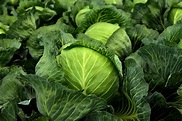
How Healthy Is Cabbage?
Cabbage is a nutrient-rich cruciferous vegetable that contains fiber, vitamin C, and other potent antioxidants. Adding more cabbage to your diet can help support heart health, weight management, digestion, disease prevention, and more.

Against all odds, the humble cabbage has become an It Vegetable. In restaurants and across the internet, it’s being transformed into cabbage steaks, cabbage pasta and cabbage burgers. So much for classic coleslaw.
Whether you eat it fresh, cooked or fermented, cabbage is a “nutrient powerhouse” with a high concentration of vitamins, fiber and antioxidants, said Andrea Krenek, a dietitian and postdoctoral research fellow at Stanford University School of Medicine.
Here’s what to know, along with healthy recipes from New York Times Cooking.
It’s rich in vitamin K.
Cabbage looks like a head of lettuce, but it’s actually a cruciferous vegetable, part of the family that includes brussels sprouts, cauliflower, kale and broccoli. There are hundreds of cabbage varieties, but some of the most common are green, red, napa, savoy and bok choy.
Like many cruciferous vegetables, cabbage is high in vitamin K, which promotes blood clotting, wound healing and strong bones. A standard serving of raw green cabbage (85 grams) contains about half the daily recommended amount of vitamin K for the average adult.
It’s good for your gut.
The fiber in cabbage acts as a prebiotic, feeding the good bacteria in your gut microbiome and boosting its diversity, said Dr. Zhaoping Li, chief of the division of clinical nutrition at U.C.L.A. Health. Higher consumption of prebiotics has been linked to greater blood-sugar control, a stronger immune system and a lower risk of colorectal cancer.
Fermented cabbage, like that found in kimchi and sauerkraut, is also packed with probiotics — live microbes that replenish your gut flora and keep it in balance. Together, pre- and probiotics aid digestion, lower inflammation and help the body better absorb nutrients, Dr. Krenek said.
It’s full of antioxidants.
One serving of green cabbage has 38 percent of the recommended daily amount of vitamin C for men and 45 percent for women. This antioxidant is essential for forming collagen, a major protein in connective tissue, said Kendra Nelson, a dietitian and postdoctoral research associate at the University of North Carolina at Chapel Hill Nutrition Research Institute. It also protects cells from damage and strengthens the immune system, she added.
Colorful cabbages, especially the red variety, get their vivid hues from anthocyanins, another type of antioxidant. These plant compounds may help lower the risk of cardiovascular disease by improving blood sugar management and reducing LDL cholesterol, said Moneek Madra, an assistant professor at the Institute of Human Nutrition at Columbia University Irving Medical Center.
Cabbage also has glucosinolates, sulfur-containing compounds that have strong antioxidant properties. During digestion, they are broken down into other compounds which help protect against oxidative damage to tissues and curb overall inflammation, Dr. Nelson said. Higher consumption of cruciferous vegetables (and their glucosinolates) has been associated with a lower risk of several cancers, including those affecting the digestive tract.
What’s the healthiest way to eat it?
Cabbage is affordable and a great way to add bulk to meals, filling you up without excess calories, Dr. Madra said. One serving of raw green cabbage contains about 25 calories.
Different varieties have slightly different nutrient profiles, so eat a mix to get the maximum benefits, Dr. Krenek advised.
Just don’t go overboard; too much of a good thing can cause gas, bloating and diarrhea. These symptoms stem from the fiber in cabbage, along with another compound called raffinose. Humans lack certain enzymes to fully digest raffinose in the upper gastrointestinal tract, so it’s instead fermented in the colon. Dr. Li suggested starting slowly, and trying cooked cabbage first rather than raw.
And one shopping tip: Most kimchi and sauerkraut on grocery shelves is pasteurized, a process that can neutralize its probiotics. Opt for unpasteurized or pasteurized versions with added probiotics, Dr. Nelson said, both of which can be found in the refrigerated section.
With that, here are some recipes to try from NYT Cooking.
1. Charred Cabbage in Spiced Tomatoes With Tahini
And one shopping tip: Most kimchi and sauerkraut on grocery shelves is pasteurized, a process that can neutralize its probiotics. Opt for unpasteurized or pasteurized versions with added probiotics, Dr. Nelson said, both of which can be found in the refrigerated section.

With that, here are some recipes to try from NYT Cooking.
2. Scrunched Cabbage Salad With Fried Almonds
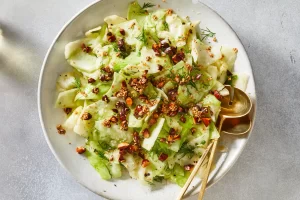
Crinkling cabbage leaves with your hands (as you would with kale) tenderizes them, helping them soak up the toasted-almond dressing.

In this one-pan meal, brushing cabbage wedges with a sharp mustard vinaigrette and nestling them under chicken to roast makes them extra flavorful.
Recipe: Sheet-Pan Roast Chicken and Mustard-Glazed Cabbage

Cutting cabbage into ribbons helps it cook quickly. Here, it’s tossed with garlic, anchovies and butter beans — giving the dish enough heft to be a main.
Recipe: Roasted Cabbage and Butter Beans
5. Seared Tofu With Kimchi

Mild tofu is an ideal partner for tart, funky kimchi. The two need only a splash of soy sauce and sesame oil to become an interesting dinner in under 30 minutes.
( With courtsey fron The New yORK tIMES)