
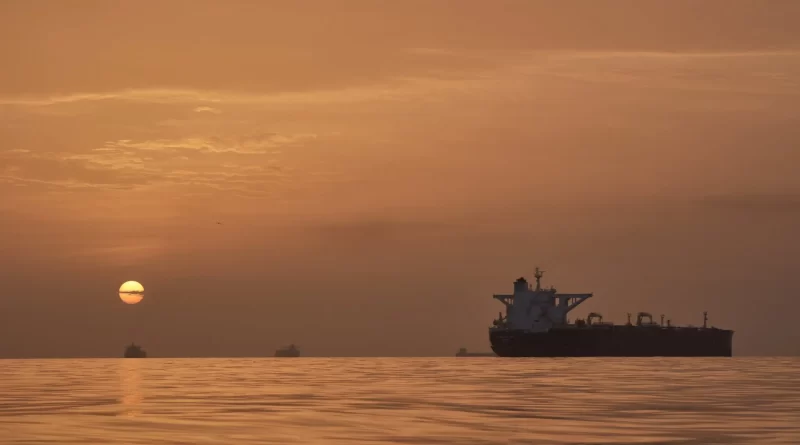
Iran War Live Updates: Iran’s Military Says It Has Reimposed ‘Strict Control’ of Strait of Hormuz

The military said it would tighten its grip on the vital waterway until the U.S. ended its blockade of Iranian ports. The statement added to the uncertainty over access to the strait.

Iran tightened its grip on the Strait of Hormuz again on Saturday, asserting that it was “under strict control” by Iranian forces — just hours after Iranian officials and President Trump had raised hopes for an end to the war by announcing that the waterway had reopened.
Iran’s military said in a statement that the strait had now “returned to its previous state” unless the United States ended its own blockade of Iranian ports. A shipping monitor run by the British navy said Saturday that it had received a report of Iran’s Revolutionary Guards firing at a tanker in the strait.
The new developments added to the confusion on Saturday over the status of transit through the strait, where Iran has choked global energy supplies by menacing passing ships during more than a month of war with the United States and Israel.
Just a day earlier, Iran’s foreign minister called the strait “completely open,” leading Mr. Trump to declare a breakthrough in the negotiations between the two countries on a permanent cease-fire.
Both countries immediately cooled that optimism, however. Iranian officials insisted ships still needed Iranian permission to cross. And Mr. Trump said the American naval blockade of Iran’s ports would continue until a deal was reached to end the war, prompting Iranian ire and vows to retaliate.
The president has often made overly optimistic claims about the war, which began in late February. Although Mr. Trump expressed confidence late Friday about the negotiations with Iran that he said would happen over the weekend, no new face-to-face talks were announced as of Saturday morning.
Mr. Trump also claimed in a phone interview with CBS that Iran had “agreed to everything.” But Iran’s top negotiator, Mohammad Bagher Ghalibaf, quickly denied Iran had agreed to any of their adversaries’ core demands.
The announcement of the strait’s reopening had soothed energy prices on Friday, sending oil futures tumbling to around $90 a barrel. Oil markets are closed for the weekend.
Hopes for an end to the war were boosted by the 10-day cease-fire in Lebanon that went into effect on Friday. Thousands of displaced families made their way home, and there was heavy traffic again Saturday morning as people continued to head to Lebanon’s south.
Iran had demanded the truce with the United States extend to Lebanon as a condition for a broader deal. Mr. Trump and U.S. officials worked to make that happen, even as they denied they were trying to meet Iran’s conditions.
Here’s what else we are covering:
-
Peacekeeper killed: A U.N. peacekeeper was killed in Lebanon on Saturday after a patrol came under attack from “nonstate actors,” the U.N. mission said. President Emmanuel Macron of France said Hezbollah, the Iran-backed armed group fighting with Israel in Lebanon, was probably responsible. The group did not immediately comment.
-
Energy crisis: Even if the Strait of Hormuz opened fully, it would take weeks for substantial amounts of Persian Gulf oil and gas to reach buyers — and much longer before damage to energy infrastructure was repaired — meaning that high gas prices and shortages of products like jet fuel could persist.
Reopening the Strait of Hormuz would ease the oil crisis but only so much.
Shipping companies are facing confusion and uncertainty about the status of the Strait of Hormuz, the narrow passageway through which a significant share of the world’s energy flows, as they assess mixed messages from officials in Iran and the United States.
But even if the strait fully opens soon — on Saturday, Iran’s military said it would reimpose “strict” control over traffic — it will take weeks for substantial amounts of Persian Gulf oil and gas to reach buyers around the world.