
U.N. Climate Talks Collapse in a Bitter Clash Over Fossil Fuels

European and vulnerable nations rejected a proposed agreement after Saudi Arabia and other oil producers blocked any mention of phasing out coal, oil and gas.


Chico Harlan and Lisa Friedman
Reporting from Antalya, Turkey
The United Nations climate talks broke down on Sunday with no final agreement after long-building tensions paralyzed the negotiations, pitting nations seeking to wind down the era of fossil fuels against those aiming to prolong it.
The European Union, as well as many smaller countries vulnerable to climate disasters and rising sea levels, rejected a proposed agreement they said stripped out crucial protections and favored countries that export oil, gas and coal. A group of oil producers, led by Saudi Arabia and including Russia, had blocked any mention of fossil fuels, the root cause of global warming.
It was the first time U.N. climate talks failed to adopt a final consensus agreement since COP15 in Copenhagen in 2009.
That the talks were derailed by something so elemental shows the vast challenges facing the global process for addressing climate change. After nearly two weeks of jockeying in a conference center in Turkey, sleep-deprived negotiators fought two days past the talks’ official deadline, rebooking flights and bargaining in closed-door meetings to see if Russia, Saudi Arabia and other Arab nations might loosen their opposition to language about fossil fuels.
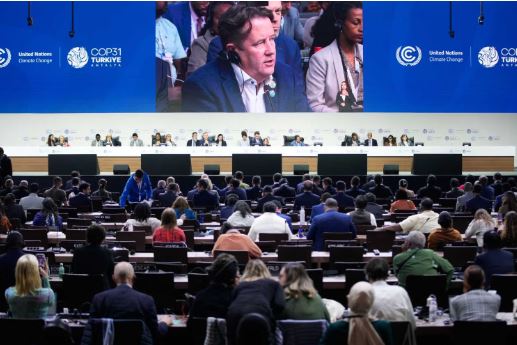
“It fails to meet the moment,” said Darragh O’Brien, Ireland’s minister of climate, environment and energy, speaking on behalf of the European Union.

=================================================================
Chico Harlan is a global climate correspondent for The Times.
Lisa Friedman is a business correspondent covering energy for The New York Times.