
Should I Be Taking Psyllium Husk?

The supplement is said to help with weight loss, blood sugar, cholesterol and more. Is that too good to be true?

-By Alice Callahan
Q: It seems like everyone is taking psyllium husk for a wide range of benefits. Does research suggest it’s actually helpful? And for what?
It’s been called “a miracle supplement for your gut,” “nature’s Ozempic” and “one of the most underrated supplements on the planet.” Psyllium husk, a fiber-rich substance made from the seeds of a plant commonly grown in South Asia, has been gaining attention on social media, not only for its digestive benefits but for its help with cholesterol, blood sugar, weight loss and more.
Most supplements have few, if any, proven health benefits. Is psyllium husk an exception?
What the Research Suggests
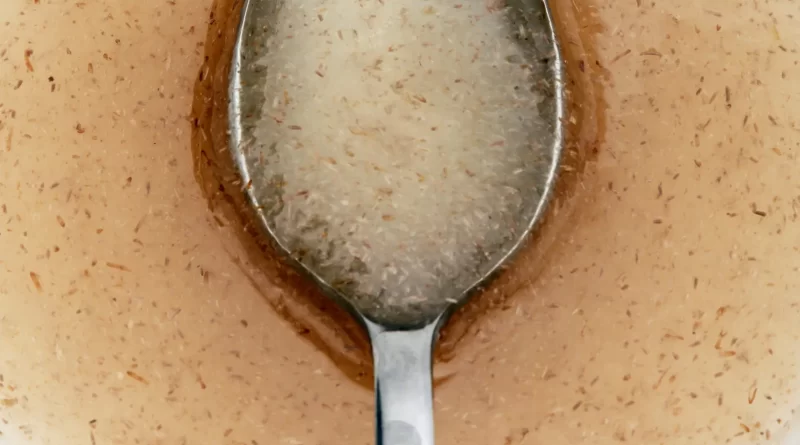
Psyllium husk contains high levels of mucilage, a type of soluble fiber that forms a gel when exposed to water.
The supplement is sold in various forms, including as whole husks (usually in a tub with a coarse, fluffy texture), ground (with a fine, flour-like consistency) and in capsules.
There are three main categories of potential benefits, some with more evidence than others.
Digestion
Psyllium is the “go-to fiber supplement” for gastroenterologists, given that it has been shown to help with constipation and irritable bowel syndrome, said Dr. William D. Chey, chief of the gastroenterology division at Michigan Medicine.
When it travels through the stomach and intestines, it absorbs water and forms a viscous, gel-like substance, which softens and bulks up stool and speeds its passage through the colon. This can help alleviate constipation, including in people with I.B.S.
Paradoxically, psyllium also helps with diarrhea, another common symptom of I.B.S., by absorbing fluid in the gut, said Kate Scarlata, a dietitian in Boston.
Because most gut microbes are poor at breaking down psyllium (a process that produces gas), the supplement tends to cause less flatulence and cramping than many other fiber supplements, she said.
Cholesterol and Blood Sugar
Research suggests that psyllium can lead to small reductions in cholesterol and blood sugar levels, said Penny Kris-Etherton, a professor emeritus of nutrition sciences at Penn State.
In a 2018 analysis of 28 small trials, most involving people with high cholesterol, researchers found that those who took about 10 grams of psyllium per day for at least three weeks had small drops in their LDL, or “bad,” cholesterol. A 2024 review of studies, most of which included people with Type 2 diabetes or related health issues, found that taking psyllium reduced blood sugar levels slightly.
The fiber in psyllium binds to bile acids, which are made from cholesterol, in the intestines, increasing their excretion and helping to lower LDL cholesterol in the blood, Ms. Scarlata said. Psyllium can also slow the digestion of carbohydrates, causing more gradual absorption of glucose into the bloodstream and less drastic blood sugar spikes.
Those effects may help people with high cholesterol or with Type 2 diabetes or prediabetes, Dr. Kris-Etherton said. Though, she added, you’d get even more benefits from eating plenty of fiber-rich foods like whole grains, legumes, nuts, seeds, fruits and vegetables.
Weight Loss
Because psyllium expands in the gut and slows the digestion of carbohydrates, it may help you feel full for an hour or two after you take it, said Julia Lloyd, a dietitian at Mass General Brigham. But research suggests that does not generally translate to weight loss, she added.
In a 2020 review of 22 small trials, most involving adults classified as overweight or obese, researchers found that taking psyllium was no different than taking a placebo when it came to body weight, body mass index or waist circumference.
How to Take It
It’s best to get fiber from food, Ms. Lloyd said. But if you have certain conditions — like constipation, I.B.S., high cholesterol, Type 2 diabetes or prediabetes — it can be worth consulting a doctor about trying psyllium, she said. The supplement can also help you reach the recommended 25 to 38 grams of fiber per day if you’re not able to get it from your diet alone, Ms. Lloyd added.
Psyllium is safe to take every day, Dr. Chey said. Just avoid consuming it two hours before or after taking medications, he said, because it may reduce their absorption. People with certain digestive issues, like gastroparesis (slowed stomach emptying) or a history of bowel obstruction, may also want to be cautious because they are at risk of psyllium getting stuck in the digestive tract.
Ms. Scarlata recommended starting slow, with five grams per day for the first week or two, for instance, to minimize gas, bloating or other discomforts.
She likes to add psyllium powder to smoothies, oatmeal and muffins. Most people mix the powder or whole husks directly into water or juice.
Because psyllium absorbs water, take it with at least one to two cups of water and hydrate throughout the day, Ms. Lloyd said. Otherwise, psyllium may harden in your intestines and cause cramping, constipation and in rare cases, an obstruction, she said.
========================================================
Alice Callahan is a Times reporter covering nutrition and health. She has a Ph.D. in nutrition from the University of California, Davis.