
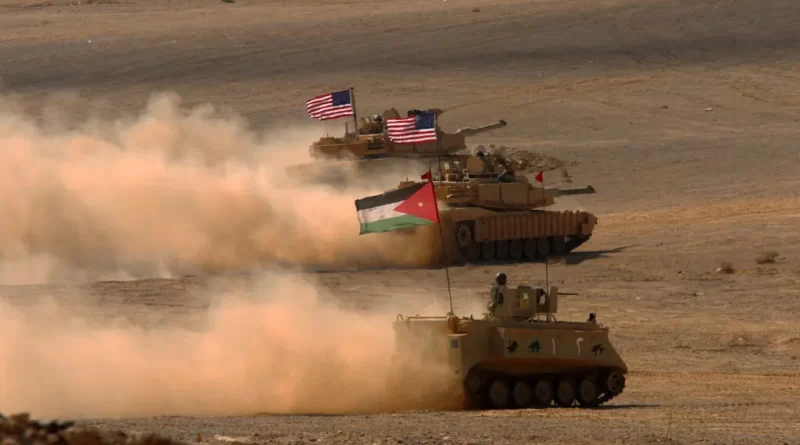
Iran War Live Updates: U.S. and Iran Edge Closer to Wider War After U.S. Service Members Killed

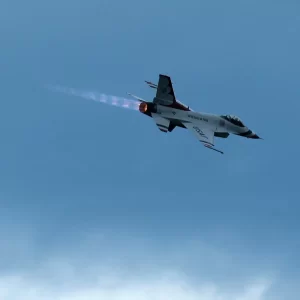
The U.S. military said it had targeted Iranian forces that were responsible for an attack on a base in Jordan that left two American service members dead and one missing.

U.S. and Iranian forces edged closer to a wider war over the weekend after the killing of two American service members during an Iranian missile barrage in Jordan.
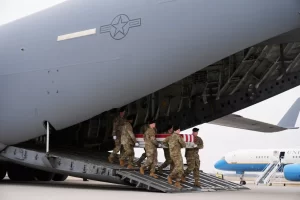
It was the first time U.S. soldiers were killed by Iranian fire since the truce unraveled in recent weeks, bringing the war’s death toll among U.S. personnel to 16. They were killed after Iran bombarded a military base in Jordan where U.S. forces had been stationed on Friday; a third service member is missing.
The deaths of the soldiers capped a week of spiraling attacks that largely demolished what remained of the deal to end the war that President Trump agreed to with Iran last month. Sensitive infrastructure targets like bridges and water facilities have come under fire in Iran and in U.S.-allied Kuwait on the other side of the Persian Gulf.
Even as the United States and Iran expanded the scope and intensity of the attacks in the region, there was little sign that diplomatic efforts to end the fighting were gaining traction. At least 50 people in Iran have been killed since the escalation began earlier this month, according to the Iranian health ministry.
In an unusual worldwide warning this weekend, the State Department cautioned Americans traveling abroad that tensions in the Middle East had created the “potential for unforeseen escalation.”
The U.S. military said early on Sunday that it had attacked Iranian military coastal surveillance and air defense facilities, as well as the Islamic Revolutionary Guards Corps forces responsible for striking U.S. forces in Jordan.
On Sunday, Iran launched strikes on Kuwait, Bahrain and Jordan, Middle East countries where the United States maintains a significant military presence. In recent days, Iranian attacks have increasingly damaged critical infrastructure, including an oil facility and power and water treatment plants in Kuwait, according to the authorities.
Jordan evacuated the international airport and seaport in the coastal city of Aqaba after a “specific and credible threat,” the U.S. Embassy there said. The country’s air defenses later shot down three Iranian missiles that targeted the country, the Jordanian military said, while a fourth landed in an unpopulated area.
Defense Secretary Pete Hegseth said the loss of the U.S. soldiers “only stiffens our resolve.” But the attacks seemed likely to deepen Mr. Trump’s dilemma over how to move ahead with the war against Iran he began alongside Israel more than four months ago.
While Mr. Trump repeatedly vowed the campaign would be brief and successful, it has become a monthslong affair that has battered global energy markets and failed to compel Iran to ditch its nuclear program.
The Trump administration hoped the cease-fire in June would end the war in exchange for Iran’s reopening of the Strait of Hormuz, the vital Persian Gulf waterway for global energy markets that it blockaded during the war.
Instead, the conflict reignited as Iran sought to maintain its grip over the strait by shooting at passing commercial ships. The United States responded by bombarding southern Iran, prompting a cycle of strikes and counterstrikes.
Here’s what else to know:
-
Supreme leader’s message: Iran’s supreme leader, Ayatollah Mojtaba Khamenei, argued the United States had violated the cease-fire deal made in June and called Mr. Trump’s signature on it “worthless and invalid,” in a message carried by state media on Saturday.
-
Jordan in focus: The Iranian attacks on Jordan which killed the two U.S. personnel were the fourth in five days in the country, underlining the Arab nation’s growing strategic importance as a host for U.S. forces in the region.
-
Isolation in Iran: U.S. airstrikes have destroyed links between a southern province in Iran and the rest of the country, according to residents, who say they live in fear of the attacks.