
Mideast Live Updates: U.S. and Iran Set for New Talks in Qatar, Trump Says

President Trump said the discussions would take place on Tuesday, after the United States and Iran exchanged strikes over the weekend. Iran did not confirm the talks but said consultations with Qatar were continuing.

U.S. and Iranian officials will hold talks on Tuesday in Qatar, President Trump said, signaling a de-escalation of tensions after the two sides traded strikes over the weekend.
Jared Kushner and Steve Witkoff, two of President Trump’s closest advisers, will fly to the Qatari capital, Doha, for the talks, Karoline Leavitt, the White House spokeswoman, said on Fox News on Monday. The two have helped lead negotiations with Iran in the past.
Iran did not immediately confirm that it was sending representatives to the talks. But it said consultations with Qatar, which has been one of the main mediators between the United States and Iran, were continuing.
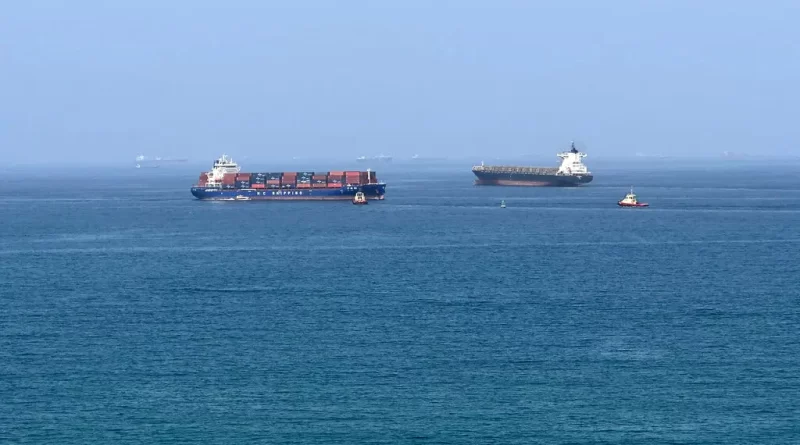
Four straight days of hostilities that began on Thursday imperiled the tenuous, two-week-old cease-fire between the United States and Iran. Despite the truce, the countries have continued to stage attacks in the Strait of Hormuz, a vital conduit for global oil and gas shipments that Iran effectively blockaded during the conflict.
Months of shipping disruptions in the waterway have roiled markets and rippled through the global economy. The flare-up of violence dashed hopes that commercial shipping through the strait would soon return to prewar levels.
The exchange of strikes began last Thursday when Iran hit a cargo ship in the strait and another vessel on Saturday, U.S. officials said, prompting retaliatory American strikes. The Iranian military later said that it had targeted a U.S. naval base in Bahrain and a Kuwaiti air base with drones and missiles in response to the American attacks.
On Sunday, a U.S. official said that the two countries had agreed to halt the attacks in the strait and allow vessels to move through freely. The official spoke on condition of anonymity to discuss the sensitive negotiations, and Iran did not confirm an agreement.
But while the latest round of violence has abated, analysts say the situation in the Strait of Hormuz remains uncertain, as both Iran and the United States vie to demonstrate that they have the upper hand.
Here’s what else we are covering:
-
Shipping slowdown: Traffic through the Strait of Hormuz dropped significantly over the weekend, with 22 ships transiting on Sunday, down from 48 on Friday, according to Kpler, a maritime data tracking firm, following the American and Iranian attacks. Iran’s foreign minister, Abbas Araghchi, on Sunday said that the country was solely responsible for managing the strait and warned that using an alternate route near Oman would lead to delays in fully reopening it.Oil prices edged higher on Monday as traders assessed the state of an uneasy cease-fire in the Persian Gulf. An American official said the United States and Iran had agreed to halt attacks in the Strait of Hormuz, raising hopes that the hostilities of recent days might not escalate into a full resumption of war.
A U.S. official, who spoke on the condition of anonymity to discuss ongoing negotiations, said the United States and Iran had agreed to allow commercial vessels to transit the strategic waterway while continuing talks on the existing memorandum of understanding. Iran has yet to confirm the latest agreement.
-
Lebanon fighting: The Israeli military said that it struck three Hezbollah sites in southern Lebanon on Sunday in response to what it said were Hezbollah attacks on Israeli soldiers. Israel and Lebanon agreed last week to a U.S.-backed deal that could eventually lead to the gradual withdrawal of Israeli troops from southern Lebanon, but Hezbollah, the Iran-backed Lebanese armed group, rejected the agreement.
-
Oil markets: Oil prices edged higher on Monday after a U.S. official indicated that the United States had agreed a deal to halt the latest U.S.-Iran fighting in the strait. Prices returned to prewar levels last week after rising sharply following the start of the war in late February.
Oil prices edged higher on Monday as traders assessed the state of an uneasy cease-fire in the Persian Gulf. An American official said the United States and Iran had agreed to halt attacks in the Strait of Hormuz, raising hopes that the hostilities of recent days might not escalate into a full resumption of war.
A U.S. official, who spoke on the condition of anonymity to discuss ongoing negotiations, said the United States and Iran had agreed to allow commercial vessels to transit the strategic waterway while continuing talks on the existing memorandum of understanding. Iran has yet to confirm the latest agreement.